
Ever get a lab report back from your doctor and feel like you’re trying to decode a secret message? You’re not alone. Those pages filled with acronyms, numbers, and ranges can be intimidating. But what if you could look at that report and see a clear story about your health?
Good news: you can. Understanding your lab results is one of the most powerful steps you can take to become an active partner in your own healthcare. It transforms confusing data into actionable insights, helping you ask smarter questions and make better decisions.
This guide will demystify the process. We’ll break down the most common lab tests—from your blood count to your cholesterol—into simple, practical terms. No medical degree required. By the end, you’ll be able to read your lab results with confidence and turn that knowledge into real action.
Getting Your Bearings: The Anatomy of a Lab Report
Before you dive into the numbers, let’s start with the basics. Think of a lab report as a personalized data sheet. While formats vary, they all share a few key components. Your first move is to play detective and confirm you’re looking at the right information.
- Your Product’s Info: For a cannabis Certificate of Analysis (COA), match the product name and batch number to what you’re holding. If they don’t line up, that report isn’t for your product. For medical results, confirm your name and date of birth.
- The Lab’s Details: Look for the name and contact information of the third-party lab. A reputable lab stands by its work and makes its credentials clear.
- Key Dates: Check the date the sample was collected and when the report was issued. This ensures the data is current and relevant.
Once you’ve confirmed the basics, you’re ready to dig in. This infographic gives you a quick visual breakdown of what to expect.
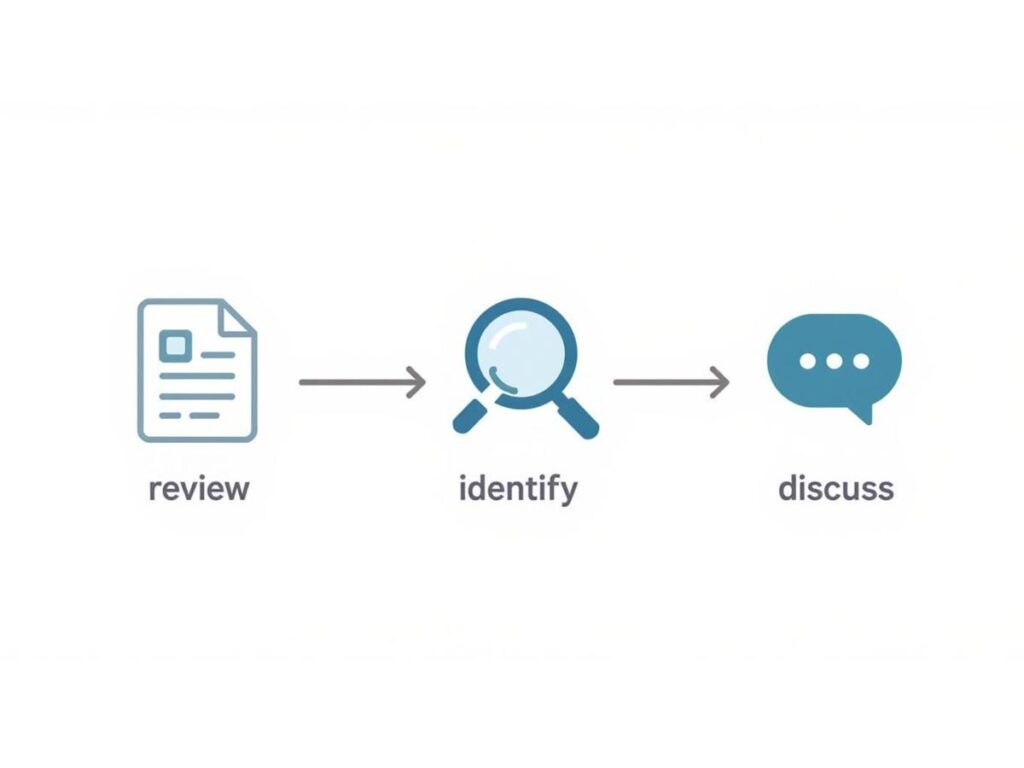
The key takeaway is that a lab report isn’t just a list of numbers; it’s a detailed record of quality and safety.
Actionable Insight: Don’t just scan for “Pass” marks. Pay close attention to what wasn’t tested. A transparent cannabis COA will include a full suite of tests. If a panel for pesticides or heavy metals is missing, it’s a major red flag. Always ask why.
Understanding lab reports is a universal skill in today’s wellness-focused world. To learn more about applying this critical thinking to cannabis, explore our cannabis education blog. This knowledge will empower you to move from confusion to confidence.
Quick Guide to Common Lab Panels
To help you quickly navigate a lab report, here’s a cheat sheet for the most common tests you’ll encounter on a cannabis COA.
| Lab Panel Name | Common Abbreviation | What It Measures | Why It Matters |
|---|---|---|---|
| Cannabinoid Potency | Potency | The concentration of THC, CBD, CBG, etc. | Tells you the strength and likely effects of the product. |
| Terpene Analysis | Terpenes | The profile of aromatic compounds. | Influences the product’s scent, flavor, and therapeutic benefits. |
| Pesticide Screening | Pesticides | The presence of harmful agricultural chemicals. | Ensures the product is free from toxic farming residues. |
| Heavy Metals Analysis | Heavy Metals | Toxic metals like lead, arsenic, and mercury. | Confirms the product is safe from environmental contaminants. |
| Mycotoxin Screening | Mycotoxins | Toxic substances produced by mold. | Verifies the product was grown and stored properly, free of mold. |
| Residual Solvents | Solvents | Leftover chemicals from extraction. | Critical for extracts; ensures no harmful solvents remain. |
| Microbial Contaminants | Microbials | Harmful bacteria, mold, and yeast. | A key safety check for product purity and cleanliness. |
Think of this table as your quick-reference guide. When you see a section on a lab report, you can instantly understand its purpose and why it’s critical for your safety and satisfaction.
Making Sense of Your Complete Blood Count (CBC)
If you’ve ever had a physical, you’ve likely seen a Complete Blood Count (CBC). This fundamental test is a doctor’s go-to because it provides a powerful, wide-ranging snapshot of your overall health by analyzing the different cells in your blood.
Think of it as a census report for your bloodstream, counting the workers and checking if they’re in good shape. Learning to read it is an empowering first step in understanding your body’s internal state. It’s a key tool in an industry that’s absolutely massive—just look at the market analysis to see how central lab testing is to modern healthcare. You can see the scale by reviewing the latest market analysis.
When you understand the basics, you’re not just looking at numbers; you’re seeing the story your body is telling.
What Your Red Blood Cells Are Saying
Your red blood cells (RBCs) are the oxygen couriers, delivering life-sustaining O2 to every part of your body. The CBC checks several metrics to see how well they’re performing.
- Hemoglobin (Hgb): This is the protein in RBCs that actually binds to oxygen. Practical Example: If you’ve been feeling constantly tired, weak, or short of breath, your doctor will look closely at this number. Low hemoglobin is a classic sign of anemia.
- Hematocrit (Hct): This measures the percentage of your blood volume that is composed of red blood cells. It typically rises and falls with your hemoglobin levels.
- Mean Corpuscular Volume (MCV): This is a fantastic diagnostic clue. It measures the average size of your red blood cells. Actionable Insight: This detail helps pinpoint the cause of anemia. Small red cells (low MCV) often suggest an iron deficiency, while large red cells (high MCV) might point to a vitamin B12 or folate deficiency.
Here’s a sample CBC report from Wikipedia. It gives you a great visual for how these components are laid out.
Notice the “Reference range” column? That’s your compass. It shows the typical values for a healthy person, allowing you to see if your numbers are high, low, or right on target.
The Immune System and Clotting Crew
Next up: your white blood cells (WBCs), the soldiers of your immune system. A high WBC count often indicates your body is fighting an infection. A low count, on the other hand, could signal a weakened immune response.
A Quick Tip: A standard CBC often includes a “differential,” which breaks down your WBCs into specific types (like neutrophils and lymphocytes). This gives your doctor even more precise clues. For instance, high neutrophils often point to a bacterial infection, while high lymphocytes are more commonly associated with viral infections.
Finally, you’ll see your platelet count. Platelets are your body’s emergency medical team, rushing to the site of an injury to form clots and stop bleeding. If this number is too low, you might bruise or bleed easily. If it’s too high, it could increase the risk of dangerous blood clots.
Each number on this report is a vital clue, contributing to the overall picture of your health.
Making Sense of Your Metabolic Panel

While the CBC checks your blood cells, the metabolic panel assesses your body’s internal chemistry. It’s a crucial look at your metabolism, kidney function, blood sugar, and electrolyte balance—essentially, a systems check for your body’s engine.
This test is a cornerstone of routine physicals, providing a window into how your body converts food to energy and maintains equilibrium. When you’re learning how to read lab results, this panel is packed with actionable information.
You’ll typically see one of two versions: the Basic Metabolic Panel (BMP) or the Comprehensive Metabolic Panel (CMP). The CMP simply adds liver function tests to the BMP for a more complete picture.
Electrolytes: Your Body’s Spark Plugs
The panel usually starts with electrolytes—minerals that carry an electric charge. They are fundamental to nearly every bodily function, from nerve impulses to muscle contractions.
Think of them as the spark plugs in your biological engine. If the balance is off, things won’t run smoothly.
- Sodium (Na): Crucial for fluid balance, nerve signaling, and muscle function. An abnormal level can be a sign of dehydration or certain kidney issues.
- Potassium (K): Absolutely vital for heart rhythm. Even small deviations can be significant, which is why doctors monitor it closely.
- Chloride (Cl): Works with sodium to maintain fluid balance and the body’s acid-base equilibrium.
- Bicarbonate (HCO3 or CO2): Helps regulate your blood’s pH level, ensuring it doesn’t become too acidic or alkaline.
These values are all interconnected. An issue with one can throw the others out of balance, giving your doctor important clues to the root cause of a problem.
A Look at Your Kidney and Blood Sugar Health
Next, the panel checks on two critical indicators of your long-term health: your kidneys and blood sugar.
Your kidneys are your body’s master filtration system. Two tests show how well they’re working:
- Blood Urea Nitrogen (BUN): Measures waste from protein breakdown.
- Creatinine: A waste product from normal muscle activity.
Actionable Insight: If both BUN and Creatinine are elevated, it’s a strong signal that your kidneys may not be filtering waste effectively.
The panel also includes Glucose, your blood sugar level. Practical Example: A high fasting glucose reading is a key indicator for prediabetes or diabetes. Your doctor will use this number to decide if further testing, like an A1C, is needed to assess your average blood sugar over the past few months. If you’re curious about how plant-based compounds can influence wellness, our guide on understanding cannabis flower offers valuable insights.
What Doctors Look For: A single high glucose reading isn’t a diagnosis. Your doctor is more interested in the trend over time. This is why consistent, annual check-ups are so important for catching potential issues early.
Finally, a Comprehensive Metabolic Panel (CMP) includes liver function tests like ALT and AST. These are enzymes normally contained within liver cells. If liver cells are damaged, these enzymes leak into the blood, making them important markers for liver health.
Decoding Your Lipid Panel for Better Heart Health

While other tests provide a broad overview, the lipid panel zooms in on one of the most critical aspects of your health: your cardiovascular system. This test measures the fats (lipids) in your blood, which are directly linked to your risk for heart disease and stroke.
If you’re learning how to read your lab results, the lipid panel is where you can gain some of the most actionable insights. We’ve all heard about “good” and “bad” cholesterol, but understanding what those numbers truly mean empowers you to take concrete steps to protect your heart.
Good vs. Bad Cholesterol: What’s the Real Story?
Your lipid panel focuses on two main characters: LDL and HDL. It’s helpful to think of them as two different delivery trucks for cholesterol.
- Low-Density Lipoprotein (LDL): This is the infamous “bad” cholesterol. Its job is to deliver cholesterol to cells throughout your body. The problem arises when there’s too much LDL. It can start depositing cholesterol on your artery walls, leading to plaque buildup (atherosclerosis). This narrows the arteries and dramatically increases your risk of a heart attack or stroke. For most people, an optimal LDL is under 100 mg/dL.
- High-Density Lipoprotein (HDL): This is the “good” cholesterol. Think of HDL as the cleanup crew. It picks up excess cholesterol from your arteries and carries it back to the liver for disposal. Higher HDL levels are protective. A great target is 60 mg/dL or higher.
Actionable Insight: It’s all about the ratio. The goal isn’t just to lower your LDL; it’s also crucial to raise your HDL. Everyday lifestyle choices—like eating a diet rich in healthy fats (avocado, olive oil, nuts) and getting regular aerobic exercise—can have a massive positive impact on both numbers.
Triglycerides and Total Cholesterol
Your report also includes two other key metrics:
Triglycerides are a type of fat your body uses for energy. Excess calories, especially from sugar and alcohol, are converted into triglycerides and stored in fat cells. High levels can also contribute to atherosclerosis.
Your Total Cholesterol is a calculated summary of your LDL, HDL, and a portion of your triglycerides. While it provides a quick overview, your doctor will focus on the individual components to assess your specific risk.
This trusted information from the Centers for Disease Control and Prevention (CDC) highlights effective lifestyle changes for managing cholesterol.
Cholesterol Levels At a Glance
| Lipid Component | Desirable Level (mg/dL) | Borderline High (mg/dL) | High Risk (mg/dL) |
|---|---|---|---|
| Total Cholesterol | Less than 200 | 200 – 239 | 240 and above |
| LDL “Bad” Cholesterol | Less than 100 | 130 – 159 | 160 and above |
| HDL “Good” Cholesterol | 60 and above | 40 – 59 | Less than 40 |
| Triglycerides | Less than 150 | 150 – 199 | 200 and above |
These are general guidelines. Your doctor will interpret your results based on your personal health profile and other risk factors.
The powerful takeaway is that you are in the driver’s seat. Your lipid panel is a direct reflection of your daily habits. It provides a clear roadmap for discussing practical, heart-healthy changes with your doctor.
Beyond the Basics: Making Sense of Specialized Tests
Sometimes, standard lab work doesn’t tell the whole story. When you or your doctor have a specific concern, you’ll encounter specialized tests. These are targeted investigations into everything from thyroid function to vitamin levels and inflammatory markers.
Don’t let the variety of tests overwhelm you. The goal isn’t to become an expert in all of them, but to understand why they are ordered and how to approach the results. Think of each one as a specific tool your doctor is using to answer a precise question about your health.
Why Your Doctor Orders These Tests
Specialized tests are always ordered with a purpose. Practical Example: If you’ve been struggling with unexplained fatigue and weight gain, your doctor will likely order a thyroid-stimulating hormone (TSH) test to check your thyroid function. If you have risk factors for bone density loss, a Vitamin D test becomes a priority.
It’s about connecting your symptoms and health history to a specific, measurable marker.
Here are a few common scenarios:
- Inflammatory Markers (e.g., CRP): A high C-reactive protein (CRP) level tells your doctor there is inflammation somewhere in your body. It doesn’t specify the cause, but it’s a critical clue that warrants further investigation.
- Hormone Panels: These are essential for diagnosing issues related to metabolism (like thyroid disorders), reproductive health, and even mood.
- Specific Nutrient Tests: Beyond Vitamin D, if a CBC suggests anemia, your doctor will likely test your iron, vitamin B12, and folate levels to find the root cause.
The key is always context. Each test is chosen to find a specific answer.
The Power of Tracking Trends Over Time
Here’s a crucial insight for specialized tests: a single result is just a snapshot. The real, actionable story emerges when you track the trends over time.
Actionable Insight: Always keep copies of your lab reports. When you get new results, compare them to your previous ones. One slightly elevated TSH reading might be a temporary fluctuation. But a pattern of that TSH level steadily rising over several tests? That tells a much clearer and more compelling story, prompting a conversation with your doctor about potential thyroid issues.
This practice empowers you to partner with your doctor, helping to distinguish between a one-time anomaly and a genuine health trend that needs attention. This concept of synergy—where multiple data points create a bigger picture—is also seen in natural products. For those interested, our article on what full-spectrum cannabis means explores how various plant compounds work together, much like how different lab results combine to form a complete health profile.
The technology behind these tests is constantly advancing, leading to greater accuracy and insight. You can read more about the top trends shaping modern laboratories to see how innovation is improving patient care. This progress, driven by a market valued at over USD 6.93 billion, means the tests you get today are more reliable than ever.
How to Talk to Your Doctor About Your Results
Understanding the numbers on your report is step one. The most critical step, however, is using that knowledge to have a productive conversation with your doctor. This is your opportunity to move from being a passive recipient of information to an active participant in your healthcare.
When you arrive at your appointment prepared, the dynamic changes. You can ask specific, insightful questions that lead to clear answers and a collaborative action plan. The goal is to leave feeling empowered and confident, not confused.
This patient engagement is more important than ever. The global clinical laboratory market, valued at $125.5 billion in 2024, is projected to grow massively, driven by a focus on preventative and personalized medicine. You can learn more about the growth of the clinical laboratory market to understand how central diagnostics have become. Your active involvement is key to leveraging this progress for your own health.
Your Pre-Appointment Checklist
Take five minutes before your appointment to review your results and jot down questions. This simple preparation ensures you cover everything important.
Here are some powerful, practical questions to ask:
- “How do these results compare to my previous ones? Are we seeing a trend?” This shifts the focus from a single data point to the bigger picture.
- “From your perspective, what is the most important finding on this report?” This helps you prioritize what your doctor is most concerned about.
- “Based on these numbers, what specific lifestyle or diet changes would have the biggest impact?” This turns your results into an immediate, actionable plan.
- “What are the next steps? Should we re-test this in the future?” This clarifies the follow-up plan and shows you’re thinking proactively.
Remember: There are no “stupid” questions when it comes to your health. If you don’t understand a term or a result, ask for an explanation. Your doctor is your guide, and seeking clarity is a sign of an engaged patient.
Sometimes, lab results can reveal issues that affect mental well-being, like a vitamin deficiency linked to mood. This can be a perfect opportunity to discuss a more holistic health strategy. For those exploring different wellness avenues, our guide on the best cannabis strains for depression might offer a useful perspective. An informed conversation is a productive one.
Got Questions? We’ve Got Answers.
Even with a good grasp of the basics, a few questions always seem to surface when looking at lab reports. Let’s tackle some of the most common ones to build your confidence even further.
What Does It Mean If a Result Is Flagged as “High” or “Low”?
A “High” or “Low” flag simply means the result falls outside the lab’s established reference range. Think of this range as the typical values seen in a large, healthy population.
Crucially, a flag is an alert, not a diagnosis. In a medical report, it prompts a conversation with your doctor. In a cannabis Certificate of Analysis (COA), context is everything. Practical Example: A “high” level of a contaminant like lead is a clear danger signal. But a “high” percentage of a cannabinoid like THC or a terpene like Myrcene might be exactly what you’re looking for to achieve a desired effect.
Why Do “Normal” Ranges Vary Between Different Labs?
You might notice that the reference ranges on a report from one lab are slightly different from another. This is normal and expected.
Different labs may use different equipment, testing methods, or even analytical software to establish their ranges. As trusted sources like the Centers for Disease Control and Prevention explain, harmonizing these ranges is a complex process. Actionable Insight: Always interpret your results using the reference range provided on that specific report. Don’t compare a number from one lab’s report to the reference range from another.
Can I Interpret My Own Lab Results Without an Expert?
Learning to read a lab report is an incredibly empowering skill that makes you a more informed consumer and patient. However, it is not a substitute for professional medical advice.
Your lab report is one piece of a much larger puzzle. Your doctor combines these numbers with your physical exam, symptoms, and health history to see the full picture. A single out-of-range value could be a sign of a problem or a harmless anomaly—only a qualified professional can help you tell the difference. Use your knowledge to ask better questions and be an active partner in your healthcare, not to self-diagnose.
At VT Strong, we believe knowledge empowers you. Understanding what’s in your cannabis is the first step toward a safe, effective, and enjoyable experience. Visit us to explore Vermont’s finest craft cannabis, backed by a team that prioritizes transparency and your well-being.
Discover our curated selection at VT Strong Cannabis Dispensary.